
Have you been dreaming of a homestead, or maybe you just need a solid list of reasons to convince your husband it’s time for goats and chickens? You’ve come to the right place. We’ve been homesteading for five years on just three acres, and every season we move closer to total sustainability (and the majority of those 5 years I was either pregnant or we had a newborn.) With 5 goats, 40ish chickens, and a brand-new high tunnel, we’ve learned that you don’t need a massive farm to make a massive impact on your family’s budget.
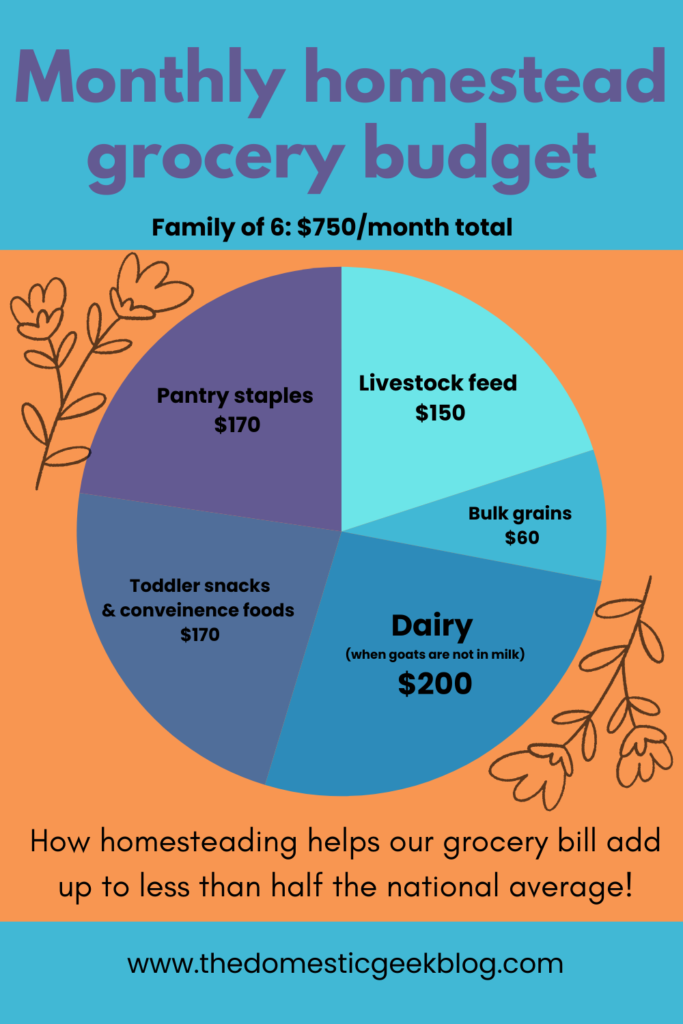
Whether you have acreage or a small apartment balcony, these 20+ swaps are the foundation of a self-sufficient life. We didn’t do this all at once—swapping everything at once is a recipe for burnout. But by starting slow and mastering one skill at a time, we’ve managed to feed our family of six on just $750 a month. Ready to see what we stopped buying so we could start growing?
The Ultimate Homestead Swap List
1. Mastering the Bakery Aisle: From Biscuits to Staples

Better Than Store-Bought: Artisan Bread and Sandwich Loaves
Bread is one of the things that I can’t remember buying at the store. We make our sandwich bread 3 loaves at a time, normally we eat half a loaf immediately, because warm fresh baked bread can’t be beat. Then we put one or two loaves straight into the freezer. We’re probably some of the only homesteaders that don’t make sour dough, none of us really like the flavor and it’s too much effort. I have 4 kids, 3 dogs, 5 goats, and we’re drowning in cats and chickens (not to mention keeping all of our gardens going.) I can’t keep anything else alive, no sourdough starters for me!
Homemade bread does mold quicker with all of those preservatives. To keep bread fresh longer I store them in linen bread bags and I place that into a bread box like this one.
The 10-Minute Swap: Flaky Biscuits, Pie Crust and Pancake Mix
I will never get over the fact that a handful of ingredients can make the tastiest biscuits, pie crust, and pancakes from scratch. It’s kind of like magic, conjuring up flaky biscuits from nothing. Once you make your own biscuits, you’ll never go back to store bought.
I don’t gate keep, here are my go-to recipes. Psst, If you don’t already have a dough blender, grab one for these recipes (they’re only like $10)!
Flaky biscuits
Pancake mix
Pie Crust
Bonus recipe: Homestead French Toast
Cookies, muffins, cakes, and other treats.
We love baking, we’re always experimenting with new treats. We made a Basque Cheesecake for fun yesterday, it was horrible, apparently we don’t like Basque Cheesecakes. I always try to have some kind of treats on hand so we avoid buying so many treats at the store, unfortunately the 3 and 4 year old don’t really like cookies or cakes, they love frosting or plain chocolate, and that’s pretty much it. Apparently those kids are broken, their older sister definitely eats all the treats and we’ll see what their younger brother likes.
Weekday Meal Essentials: Homemade Hamburger Buns and Bread sticks
We love to make a huge batch of bread sticks. We divide the pan into 4 packages to eat with things like soups, spaghetti, and other meals where bread sticks are essential.
We love homemade buns, we use them for hamburgers, pulled pork, sloppy joes and more. I typically make mine with everything but the bagel seasoning on top and it’s so tasty .
40 minute hamburger buns recipe
2. Healthier Sweet Treats Homemade coffee creamer and syrups

DIY Chocolate Syrup: Only 4 Ingredients (No High Fructose Corn Syrup)
Our homemade chocolate syrup makes the best chocolate milk, decadent coffee drinks, and a great ice cream topping. It’s only 4 ingredients and it’s so good. Homemade chocolate syrup recipe.
Real Chocolate Milk: Controlling the ingredients at Home
My 3 and 4 year old start every day with a chocolate milk or two. We mix our homemade chocolate syrup with whole milk (goat milk when we have it) and it takes so much guilt away. Sure it’s still a lot of sugar, but they’re getting nutritious whole milk without high fructose corn syrup and a handful of unnecessary additives in store bought chocolate milk.
Coffee Creamer and coffee syrups
We make our own coffee creamer from scratch. When we have goat milk we normally make cateja (which is a Mexican confection, that’s similar to dulche de leche) we stop cooking it a little sooner so it’s coffee creamer consistency and it’s so decadent. Otherwise we make this coffee creamer from scratch.
3. From Scraps to Staples: The Savvy Kitchen Pantry
Free Flavor: Turning Kitchen Scraps into Golden Chicken Broth
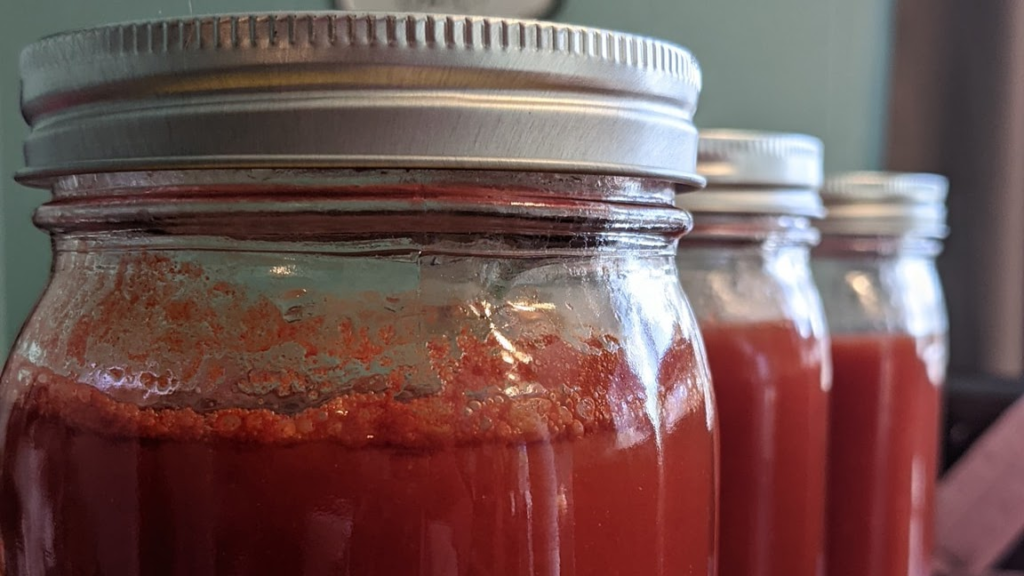
We use so much chicken broth. To make our broth we roast bones and veggie scraps in the oven, then we put all of that in slow cookers with water for about 24 hours. Strain the broth and pressure can all of it to use all year long. We make our biggest batch when we process our meat birds, any carcasses that we have leftover from parting out the chickens are used for broth. We’re in February and we’re just starting to run low so we’ll make another batch soon using bones from whole chickens we roast (we’ll reserve a few chickens worth in the freezer for this). Make sure you’re canning chicken broth using a pressure canner!
The Tomato Harvest: Homemade Sauce for Year-Round Use
We’re serious about tomatoes. I’m so happy that we have a high tunnel this year, we plan on planting so many tomatoes. We like to make tomato sauce and diced tomatoes to can and store all winter long. Technically there’s not a recipe to home process diced tomatoes, so I just use the recipes for crushed tomatoes. It’s the only rebel canning you’ll ever see me doing. Otherwise the Ball book is my canning Bible. We use our canned tomatoes for all kinds of recipes throughout the year.
Bonus recipe: Homemade Enchilada Sauce we use our canned tomato sauce to make this and it’s perfect for Tex Mex enchiladas!
Pantry Power: Custom Seasonings and Garlic Preservation
I like to make my own seasonings. My go-to’s that I won’t buy at the store and choose to make myself are taco seasoning, BBQ rub, and chorizo seasoning. When I do buy seasonings I try to buy higher quality like my favorite masalas from Spicewalla they make the absolute best curries.
We love using garlic in everything. We typically buy a lot, throw it into the food processor and freeze it in a Ziploc bag. We press a skewer to the bag to divide it up into squares.
Taco seasoning recipe
BBQ rub recipe
4. Beyond the Plate: Body Care and Long-Term Storage

Goat Milk and Tallow: Why We Only Use Bar Soap
We all have really sensitive skin in our family, so we love using goat milk to make soap. We have bars of soap at every single sink and in every shower in our house. It works great for hands and body.
The “Garden Insurance” Plan: Frozen and Canned Vegetables
We don’t buy canned or frozen vegetables at the store, our freezer and root cellar are stocked with bounties from our garden. Garden vegetables we freeze; corn, broccoli, squash, and peas. We use a Food Saver for most veggies, but sweet corn is trickier because it’s so full of butter. Garden vegetables that we process with water bath canning or pressure canning; green beans, carrots, and corn.
Our recipe for freezer sweet corn is one you’ll want to try.
5. The Heart of the Homestead: High-Quality Protein
Farm-Fresh Eggs: The First Step Toward Food Freedom
We haven’t bought store eggs in years, though I’ll be the first to admit that homesteading isn’t always a money-saver. Between feed and infrastructure, the startup costs are significant. We usually DIY our projects, but since I was heavily pregnant with our third child (I’ve spent most of our five years of homesteading expecting!), we splurged on a $3,000 custom-built shed for a coop. Between the snow and the pregnancy, we needed a quick solution. I always joke that we’ll never truly ‘recoup the coop’ costs, but the quality of farm-to-table eggs makes it worth it. This year, we’re adding a roofed run to better protect them from predators and—hopefully—keep them out of the goat barn!
Raising Meat: Why We Said Goodbye to the Grocery Meat Counter
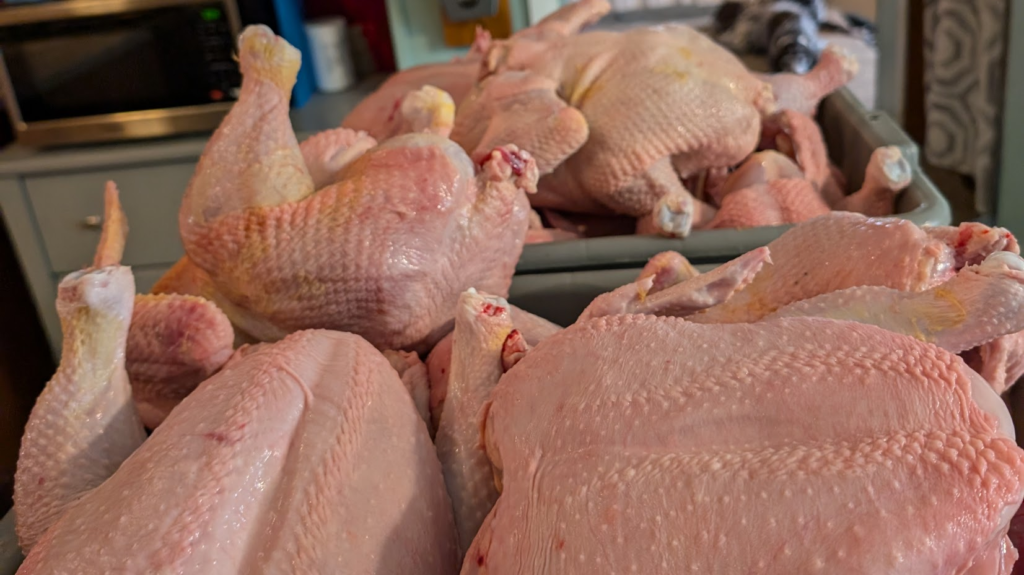
We raise our own meat chickens and it helps our grocery bill a ton. We normally raise about 35 chickens per year. We process them ourselves, we keep about 12 whole and the rest are parted out into; breasts, legs, thighs, wings and we roast what’s left for chicken broth.
We were also raising pasture raised pigs, but we decided to stop raising pigs. We don’t have quite enough land to make it profitable, we were raising smaller pasture pigs (Kune Kunes) and they’re too expensive to buy and then they have a much smaller yield when full grown. It was really nice having our own homegrown pork, but we decided that it would be cheaper to just order a whole hog from the local butcher shop.
Hunting: harvesting and processing our own meat
We’ve actually swapped beef for venison entirely. To keep us stocked for the year, we aim to harvest at least four deer. We learned to process the deer ourselves to save even more money. We use it as a direct substitute in all our favorite recipes—ground venison for casseroles and quick dinners, plus steaks, roasts, and stew meat. We even get creative and make our own specialty sausages, like brats and kielbasa.
The Bottom Line: What You’re Actually Saving
| Item (Standard Size) | Store Price (Organic/Premium) | Homestead Cost | Active Time | Why It’s a homesteading Win |
| Artisan Bread (Loaf) | $6.50 – $8.00 | $0.85 – $1.20 | 15 mins | No preservatives; 80% cheaper. |
| Chicken Broth (1 qt) | $4.50 – $5.50 | $0.00 | 5 mins | Made from “scraps” you’d toss. |
| Taco Seasoning (1 pk) | $1.75 – $2.25 | $0.15 | 2 mins | No anti-caking agents or MSG. |
| Chocolate Syrup (20 oz) | $5.00 – $6.50 | $1.40 | 5 mins | Real cocoa; no corn syrup. |
| Pancake Mix (Box) | $5.50 – $7.00 | $0.60 | 1 min | Just 4 pantry staples you have. |
| Bar Soap (Goat Milk) | $8.00 – $12.00 | $1.50 – $3.00 | 1 hour* | Superior skin health; zero plastic. |
| Eggs (1 Dozen) | $6.00 – $9.00 | $2.00 – $4.00 | 5 mins/day | 3x the Vitamin D; 100% fresher. |
Note on Labor: While some items like soap or meat take more “clock time,” the Active Time (the time you are actually working) is often much lower than the time it takes to drive to the store, find the item, and stand in the checkout line.
When you look at the numbers, it’s clear that the ‘homestead tax’ is actually a massive discount. By swapping just these seven items, a typical family can save over $150 per month on their grocery bill while significantly increasing the nutrient density of their diet. This is where self-sufficiency meets smart math.
How does our monthly grocery budget actually break down?
Our grocery budget is a little different than most families, we have livestock feed to include, and we buy most of our grains and baking supplies in bulk. For bulk grains we buy from a local Mennonite bulk food store (we end up saving money buy buying in bulk) and for everything else we almost exclusively shop at Aldi, prices are better and their house brands are free of artificial dyes and other additives. Let’s break it down.
Livestock feed
This is about $150 per month, it includes goat feed, chicken feed, and hay.
Bulk grains
We spend about $60/month on average for bulk grains and baking supplies. We buy things like AP flour, bread flour, sugar, and even oats in 50 pound bags. We then store them in food grade buckets (Pro-tip, head to your local grocery stores bakery and ask for food grade buckets. They’ll most likely give them to you for free!)
Pantry Staples
We spend about $170 on pantry staples, things like coffee, dry pasta and oils. I would include produce that we don’t grow ourselves in this category too.
Dairy
We only milk our goats from spring until fall and even when we’re milking them I’m still buying things like sour cream, cheese, and butter. When we actually go to the grocery store I find that the bill is mostly dairy, that might be because we live in Wisconsin and cheese is a staple for most of our meals.
Toddler snacks & Convenience foods
We’re homesteaders, but we’re not perfect. There are days when my toddlers (honestly they’re preschoolers, but I’m a mama in denial) survive off of crackers, cheese, and fruit snacks. So those go into the grocery budget too. I’m sure once they’re a little older they’ll appreciate our home baking more, our farm stand cookies are practically famous, but our kids prefer a package of animal crackers from Aldi, go figure.
If there’s one thing I’ve learned over five years, four kids, and a whole lot of goat milk, it’s that self-sufficiency is a journey, not a destination. Some days we’re eating venison burgers on homemade buns, and other days the kids are eating crackers for dinner while I try to figure out which goat escaped.
And that’s okay.
Every swap you make is a win for your health and your wallet. Start with one thing, master it, and then move on to the next. You’ve got this!
Want more homesteading tips and recipes? Sign up for our newsletter to get my monthly “What’s in Season” guide and my favorite bulk-buying hacks!
Leave a Reply
You must be logged in to post a comment.