
5 things you need to know before getting chickens
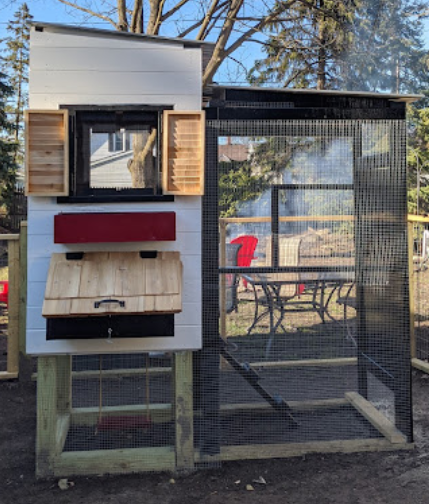
It’s that time of year again. You walk into the local farm store for a bag of soil or that viral home decor item that you definitely need, and there it is: the chirping. Those stock tanks full of adorable baby chicks are the ultimate gateway drug to homesteading. Believe me, I’ve been there—I started with a very bougie little coop in the city limits before we moved out to our current three acres in the Northwoods. That coop was a shiplap dream come true, take a look and make sure to read our story on how we transitioned from life in the city to our 3 acres homestead.
Here’s our original coop, we made it as big as we could in city limits and it housed just 3 bantams, a little different than our current giant coop that holds 45 of our chickens.
But before you let your five-year-old talk you into a box of six random chicks, let’s get real. Raising chickens is incredibly rewarding, but the first six months are a steep learning curve. Whether you’re looking for fresh eggs or just some productive garden helpers, here are the five things you absolutely need to know before you bring those babies home.

The Brooder is Messier Than You Think
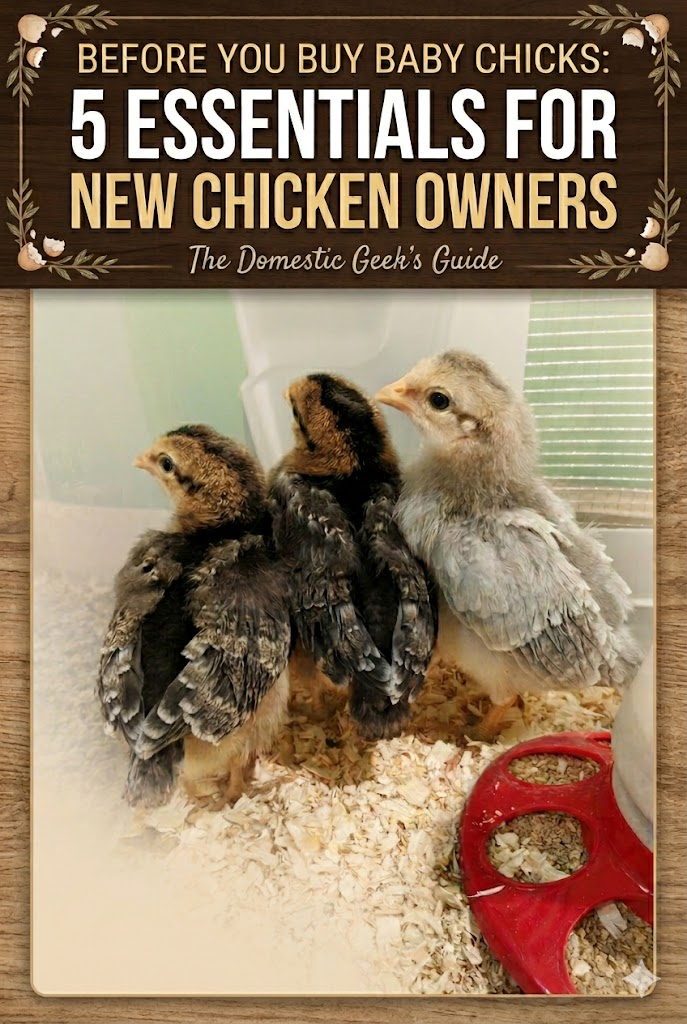
Something I didn’t know with our first chicks until we brought them home is that chicks don’t go straight into a coop, you need to start with a brooder in the house. Chicks don’t stay small for long. Within two weeks, they start growing “gangly teenage” feathers and kicking up an unbelievable amount of dust. Whether you’re setting them up in the basement or a corner of the barn, ventilation is key. I’m a huge fan of using natural, breathable materials like pine shavings to manage the mess and the smell.
Brooders don’t have to be complicated, it can be as simple as a plastic tote with a mesh cover on top (you want something covering it, chicks are great at jumping out of brooders.)
Skip the dangerous heat lamps. We use heat plates (like the Rent-A-Coop model). They mimic a mother hen, allow the chicks to regulate their own temperature by moving under or away from the plate, and they are a much safer option for your home or barn.
The “Five Month” Wait is Real
This is the part the farm store doesn’t tell you. You will be buying feed, cleaning waterers, and dreaming of omelets for about 20 to 24 weeks before you see a single egg. It is an investment of time and money long before you get a return. This is the “Investment Phase,” and it’s where most people give up. Hang in there; that first egg is worth the wait! If you haven’t had a farm fresh egg yet, know that the quality is so much better than the grocery store. The yolks should be a perfect orange and they have so much more flavor.
Logistics of Feed and Water (Especially in the cold climates)
When you have a few birds, a small bag of feed lasts a while, but even a small flock needs a system. Fresh water is the most important thing you can provide. If you live somewhere with harsh winters like we do in Northern Wisconsin, you need a plan for when that water freezes. A heated waterer isn’t just a convenience; it’s a necessity for survival when the temps drop below zero. We use this heated waterer from Premier 1, its lasted years and we live in Wisconsin’s northwoods.
The “Bougie” Coop vs. Reality
I started with a beautiful, Pinterest-perfect coop in our backyard. It was cute, but it was a nightmare to clean. When we moved to the homestead, we transitioned to an 8×8 shed for our main flock. Why? You need to be able to stand up inside it to scrub it down. If you can’t easily clean it, the chore becomes a burden, and your birds’ health will eventually pay the price.
How to select the best chicken breed
Not all chickens are created equal. If you want friendly birds that your kids can handle (my 5-year-old and 3-year-old love helping!), look for Orpingtons or Brahmas. If you live in the cold, ensure you’re picking frostbite-resistant breeds with smaller combs to avoid frostbite. Also, remember that “straight run” means you have a 50/50 shot at a rooster. If your town doesn’t allow crowing, stick to sexed pullets! Buying your chickens sexed will cost a little more, but it’s definitely worth it. Note, if you are looking for a rooster, I definitely recommend a Brahma, our Brahma rooster is the best, he always looks out for the ladies and he’s kind to people. He’s crowing as I write this.
Chickens are a fantastic addition to your life, and a big step in the road to self sustainability. Check out my list of 20 + things I don’t buy at the grocery store anymore now that I’m a homesteader, you better believe eggs are on that list!
Looking for more homesteading tips? Join the farm fam and sign up for monthly emails!
Leave a Reply
You must be logged in to post a comment.